

Israeli customs brokers, licensed by the Israeli Tax Authority, act as professional intermediaries for all import and export declarations. Customs duties on consumer goods range from 6–12%, with all imports subject to 17% VAT. Low-value shipments under $75 are exempt from customs duty. Use ShippingToGo to compare international shipping rates and plan your Israel import costs.
Customs brokerage is pivotal in Israel's import and export processes, significantly impacting international trade. In recent years, numerous changes have occurred in regulations and procedures related to customs brokerage, making a thorough understanding of this field crucial for anyone engaged in international trade.
This article will review the most critical aspects of customs brokerage in Israel, including the roles of customs brokers, payment processes, up-to-date regulations, and implications for importers and exporters.
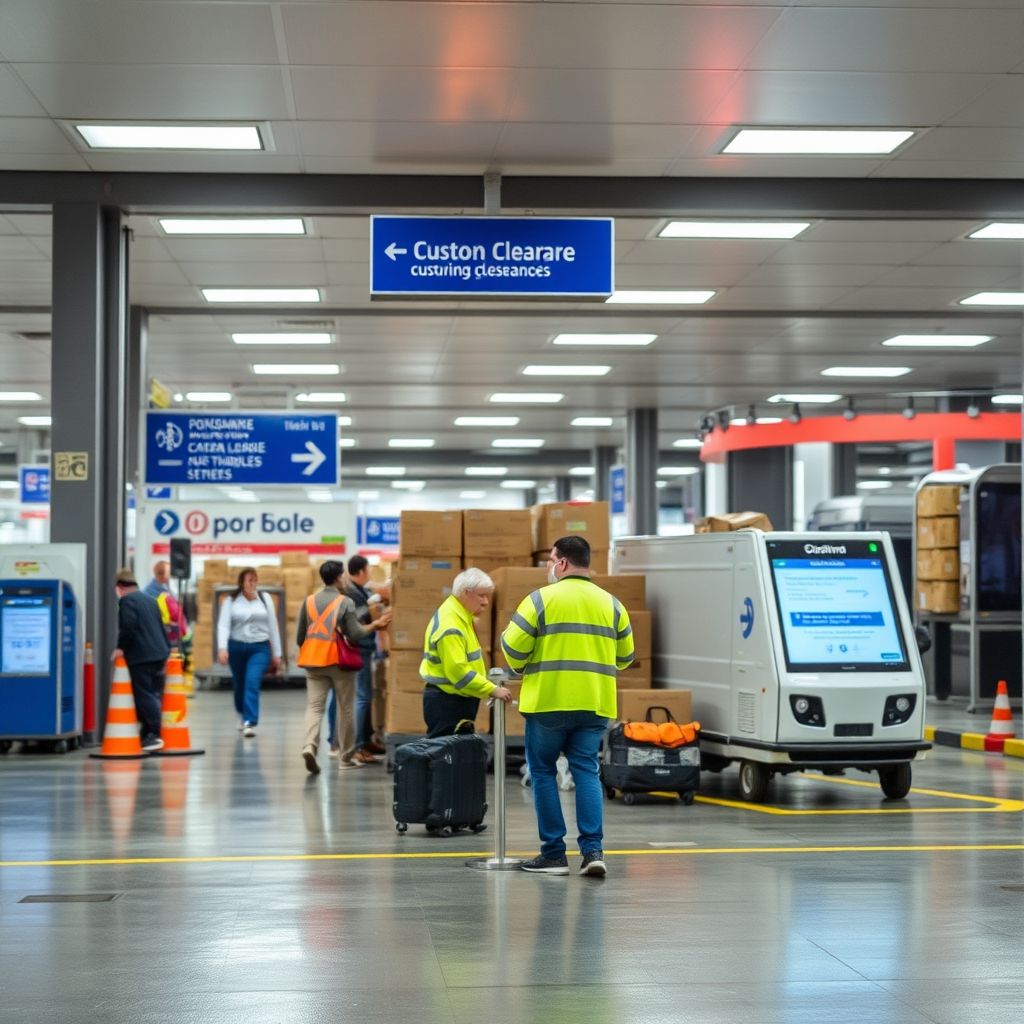
The Role of a Customs Broker
A customs broker is a professional intermediary between the importer or exporter and the customs authorities. Their primary role is to assist in clearing goods from customs and ensuring compliance with all legal and regulatory requirements. The customs broker is responsible for various activities, from preparing required documents to representing the client before customs authorities.
Among the main tasks of a customs broker are:
- Preparation and submission of import and export declarations.
- Classify products according to appropriate customs codes.
- Calculation of taxes and duties applicable to goods.
- Advising clients on trade laws and regulations.
- Coordinate inspections and approvals with various authorities.
- Handling cargo release from sea and airports.
The customs broker is an expert in their field, and their role is essential in ensuring a smooth and efficient import and export process. They help their clients navigate the complexities of customs laws and taxation, saving valuable time, money, and resources.
Capabilities and Authorities of Customs Brokers
Customs brokers in Israel operate under a license granted by the Tax Authority. Their powers are derived from relevant laws and regulations, allowing them to act on behalf of their clients before customs authorities. Their professional capabilities include in-depth knowledge of customs laws, import and export processes, and the Tax Authority's computerized systems.
A licensed customs broker is authorized to perform actions such as:
- Submitting customs declarations on behalf of the client.
- Representing the client before appeal committees and courts on customs matters.
- Making payments of taxes and fees on behalf of the client.
- Receiving information from customs authorities regarding the client's goods.
It is important to note that despite their extensive powers, customs brokers are subject to professional ethics rules and strict regulations. They must maintain the confidentiality of their client's information and act fully transparently towards the authorities.
When should you pay customs duties, and when should you not?
The question of customs duty payment is complex and depends on several factors. As a general rule, customs duties are paid on goods imported into Israel, but there are many cases where exemptions or discounts are granted. Here are some guiding principles:
- Product type: Each product has a specific customs code determining the applicable duty rate. Some products are completely exempt from customs duty.
- Shipment value: Low-value shipments (currently up to $75) are exempt from customs duty and VAT, although this threshold may change.
- Country of origin: Israel has signed trade agreements with various countries, granting exemptions or discounts on customs duties for specific products.
- Purpose of import: For specific purposes, such as research or temporary exhibitions, imports may receive customs duty exemptions.
- Importer status: For example, new immigrants are entitled to certain exemptions during their first period in the country.
It is important to emphasize that even when there is no obligation to pay customs duty, other taxes, such as VAT or purchase tax, may still apply. Therefore, consulting with a professional customs broker regarding each shipment is crucial.
Additional Important Information
In the modern world of customs brokerage, several additional aspects are essential to know:
- Digitization: In recent years, the Tax Authority has been transitioning to more digital processes, including online submission of customs declarations and computerized systems for managing import and export processes.
- Evolving regulation: Customs and trade laws are frequently updated, and customs brokers must stay current to ensure compliance with legal requirements.
- Supply chain security: There is an increasing emphasis on cargo security throughout the supply chain, affecting customs processes.
- Environmental regulations: There are stricter requirements regarding the import of products that may impact the environment, such as hazardous materials or products subject to recycling regulations.
- Transparency and ethics: There is a growing expectation for transparency in import and export processes, including products' origin and production conditions.
Differences Between Countries of Origin
The country of origin of the goods significantly affects the import process and applicable taxation. The main differences stem from trade agreements that Israel has signed with various countries. For example:
- European Union: There is a free trade agreement that provides customs duty exemptions on most products.
- United States: A free trade agreement allows customs duty exemptions on many products, but not all.
- China: No free trade agreement exists, so most products are subject to complete customs duties.
Additionally, there are differences in documentation requirements and approvals needed from different countries. For instance, importing food products from certain countries may require additional approvals or special inspections.
It is important to note that even when a free trade agreement exists, specific rules of origin must still be met to take advantage of the advantages. The customs broker plays a vital role in identifying and implementing the relevant benefits for each shipment.
Common Customs Duty and Tax Rates in Israel
Based on ShippingToGo's analysis of Israeli import regulations, the following table provides a reference guide to common customs duty rates. Note: Tax rates may change, and checking the current status for each specific product is necessary.
| Product Type | Average Customs Duty Rate | VAT | Purchase Tax | Notes |
|---|---|---|---|---|
| Consumer goods | 6-12% | 17% | Varies | Depends on specific product type |
| Food products | 0-12% | 17% | Usually none | Some products are duty-free |
| Electrical appliances | 0-12% | 17% | Up to 30% | Depends on appliance type |
| Vehicles | Up to 83% | 17% | Up to 83% | Depends on engine size and vehicle type |
| Raw materials | 0-8% | 17% | Usually none | Some are exempt for industrial purposes |
The Importance of Customs Brokerage in International Trade
In an era of accelerated globalization and growing e-commerce, the importance of professional and efficient customs brokerage is only increasing. Customs brokerage is a critical link in the international trade chain, facilitating the smooth flow of goods across borders while ensuring compliance with complex regulatory requirements.
The role of customs brokers extends beyond mere paperwork and declarations. They act as strategic partners for businesses engaged in international trade, providing valuable insights into market trends, regulatory changes, and potential risks. Their expertise can be instrumental in:
- Cost Optimization: Customs brokers can help businesses minimize their tax liabilities and identify potential savings opportunities by leveraging their knowledge of trade agreements, duty rates, and classification systems.
- Risk Management: Customs brokers help businesses navigate the complex landscape of international trade regulations, reducing the risk of penalties, delays, or legal issues arising from non-compliance.
- Supply Chain Efficiency: Brokers can help streamline the movement of goods, reduce delays, and improve overall supply chain efficiency through their understanding of customs processes and relationships with relevant authorities.
- Market Access: Customs brokers can provide valuable advice on entering new markets, helping businesses understand and comply with local import regulations and requirements.
Technological Advancements in Customs Brokerage
The field of customs brokerage is not immune to the technological revolution sweeping across industries. There has been a significant push towards digitization and automation in customs processes in recent years, both from government authorities and private sector players. Some key technological trends in customs brokerage include:
- Electronic Data Interchange (EDI): Many customs authorities, including Israel's, have implemented EDI systems to submit customs declarations and other required documents electronically. This has significantly reduced processing times and paperwork.
- Blockchain Technology: Some countries are exploring blockchain to enhance transparency and traceability in the supply chain, which could have significant implications for customs processes.
- Artificial Intelligence and Machine Learning: These technologies are employed to improve risk assessment processes, automate goods classification, and enhance fraud detection capabilities.
- Internet of Things (IoT): IoT devices are being used to track shipments in real time, providing valuable data for customs risk assessment and facilitating faster clearance processes.
- Cloud-based Platforms: Many customs brokers are adopting cloud-based software solutions to improve client collaboration and manage customs processes more efficiently.
These technological advancements are reshaping the customs brokerage industry, requiring brokers to continually update their skills and adapt their services to meet evolving client needs.
Challenges and Future Trends in Israeli Customs Brokerage
While the field of customs brokerage in Israel has seen significant advancements, it also faces several challenges and emerging trends:
- Regulatory Complexity: As international trade agreements evolve and new regulations are introduced, customs brokers must continuously update their knowledge to ensure compliance.
- Cybersecurity Concerns: With the increasing digitization of customs processes, ensuring the security of sensitive trade data has become a critical concern.
- Sustainability and Ethical Trade: Businesses are increasingly under pressure to ensure their supply chains are sustainable and ethically managed, and customs brokers are increasingly expected to provide guidance on these issues.
- E-commerce Growth: The rapid expansion of cross-border e-commerce challenges traditional customs processes and requires new approaches to handling high volumes of small shipments.
- Skills Gap: As the role of customs brokers evolves to encompass more strategic and technological aspects, there is a growing need for professionals with a diverse skill set.
- Trade Tensions: Global trade tensions and changing geopolitical landscapes can lead to rapid changes in tariffs and trade policies, requiring customs brokers to be agile and well-informed.
Best Practices for Importers and Exporters
For businesses engaged in international trade in Israel, working effectively with customs brokers is crucial. Here are some best practices to consider:
- Choose a Reputable Broker: Select a licensed, experienced customs broker with a good reputation and a track record of compliance.
- Maintain Clear Communication: Ensure open and transparent communication with your customs broker, promptly providing all necessary information and documentation.
- Stay Informed: While your broker will handle the details, it's essential to understand customs regulations and processes relevant to your business.
- Plan Ahead: Be sure to engage with your customs broker before the last minute. Early planning can avoid delays and potential issues.
- Leverage Technology: Use available technological solutions to streamline your interactions with your customs broker and enhance visibility into your supply chain.
- Regular Reviews: Review your customs processes and strategies with your broker to identify areas for improvement or cost savings.
- Compliance Focus: Prioritize compliance in all your international trade activities. The costs of non-compliance can far outweigh any short-term gains.
Conclusion
Customs brokerage in Israel is a complex and dynamic field that requires professional and up-to-date knowledge. Customs brokers are critical in ensuring a smooth and efficient import and export process while complying with all legal and regulatory requirements. Understanding this field's processes, regulations, and frequent changes is essential for international trade.
In an era of accelerated globalization and growing e-commerce, the importance of professional and efficient customs brokerage only increases. Importers and exporters need to be aware of the commercial aspects of their transactions and the customs and tax implications. Close collaboration with experienced customs brokers can save valuable time, money, and resources and ensure compliance with all legal requirements.
As regulation becomes more complex and demands for transparency and environmental responsibility increase, the customs broker becomes a strategic partner in import and export processes. Importers and exporters who invest in building strong relationships with knowledgeable customs brokers will be better positioned to navigate the complexities of international trade and capitalize on global business opportunities.
For international shipping to and from Israel, compare rates from DHL, FedEx, and UPS on ShippingToGo. Also see our guides on Israeli world export rates and international shipping rates.
Frequently Asked Questions About Israeli Customs Brokerage
Do I need a customs broker to import goods into Israel?
Yes. Releasing goods from customs in Israel requires a licensed customs broker or special approval for personal imports in limited quantities. Customs brokers in Israel are licensed by the Israeli Tax Authority and act as professional intermediaries between importers and customs authorities to ensure full regulatory compliance.
What customs duties apply when importing into Israel?
Israeli import duties vary by product: consumer goods 6–12%, food products 0–12%, electrical appliances 0–12% (plus up to 30% purchase tax), vehicles up to 83%, and raw materials 0–8%. All imports are also subject to 17% VAT. Shipments under $75 in value are currently exempt from customs duty.
Does Israel have free trade agreements?
Yes. Israel has free trade agreements with the EU and the US, providing customs duty exemptions or reductions on many products from those countries. No such agreement exists with China, so Chinese imports are typically subject to full customs duties. Rules of origin must be met to claim FTA benefits.
What is the green channel in Israeli customs?
The green channel in Israeli customs is a fast-track process for releasing goods that do not require physical inspection, based on risk assessment by customs authorities. Shipments approved for the green channel are processed faster with fewer delays, reducing warehousing and clearance costs for importers.
How long is the free storage period at Israeli ports?
The free storage period at Israeli ports is usually five business days. After this period, storage fees begin to apply. Working with a customs broker who can expedite clearance documentation is essential to avoid accumulating port storage charges, especially for sea freight shipments.
Can customs decisions be appealed in Israel?
Yes. There is a formal appeal process for customs decisions in Israel, including the option to appeal to the relevant court. A licensed customs broker can represent clients before appeal committees and courts on customs matters, and can advise on whether an appeal is likely to succeed.
