

To post fragile items safely: use a new double-walled box, wrap each item in bubble wrap with at least 2 inches of padding on all sides, fill empty spaces with packing peanuts or air pillows, seal with parcel tape, and mark "Fragile" clearly on multiple sides. Based on ShippingToGo's shipping data, poor packaging is the leading cause of damage claims on international shipments.
When it comes to fragile items, proper packaging isn't optional—it's essential. That festive wrapping might look beautiful under a holiday tree, but it won't stand up to the bumps and jolts of international shipping. Every parcel passes through countless hands, belts, vehicles, and planes, making secure packaging a critical part of the shipping process. In this article, we'll walk you through everything you need to know: common packaging mistakes to avoid, must-follow best practices, and how to upgrade your packaging game to ensure your delicate items arrive in perfect condition—especially when shipping high-value or breakable goods.
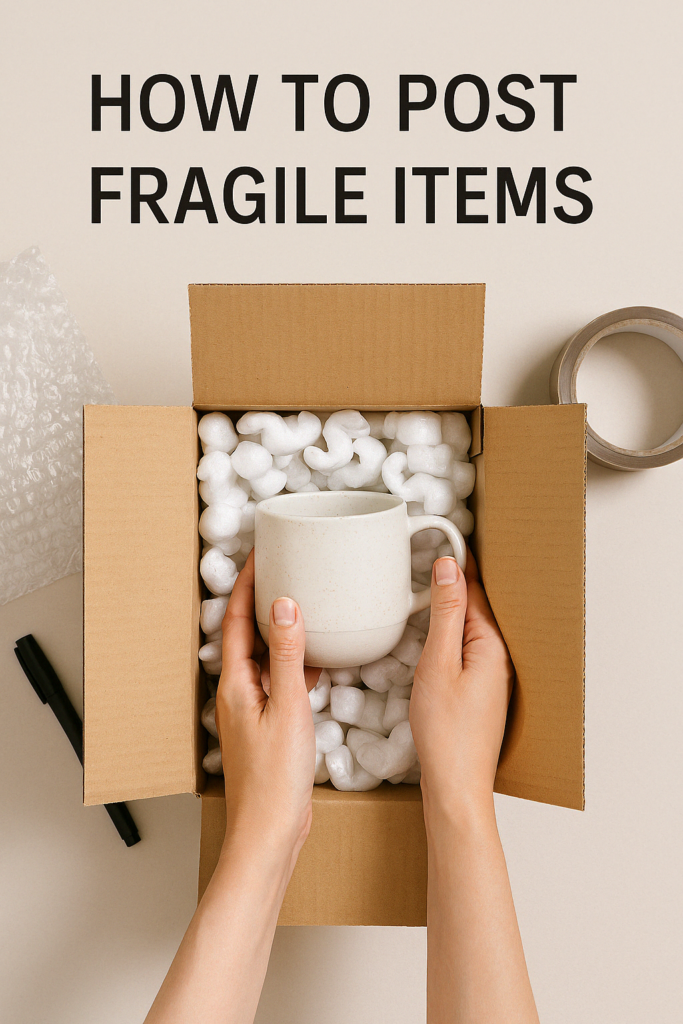
How to Package Fragile Items for Shipping
Proper packaging involves much more than just using wrapping paper. While festive gift wrapping may look great under a Christmas tree, it's not suited for the rigors of shipping. Always opt for a sturdy box and take the time to securely package your items before sending them off.
You might be surprised by the number of hands and machines that will handle your packages as they travel through cities, states, or even across regions. Despite the care taken by handlers, it's crucial to pack your items carefully.
Step-by-Step: How to Pack Fragile Items
- Choose the right box: Select a new, double-walled corrugated box sized to fit your item with at least 2 inches of padding space on all sides. Never reuse old or damaged boxes.
- Wrap each item individually: Apply at least two layers of bubble wrap to every fragile item, securing with tape. For glass or ceramics, use foam wrap or tissue paper as a first layer before bubble wrap.
- Add interior cushioning: Fill all empty spaces inside the box with packing peanuts, crumpled paper, or air pillows. The item should not move when the closed box is shaken gently.
- Consider the double-box method: For extremely fragile or high-value items, place the padded inner package inside a larger outer box with additional cushioning between the two boxes.
- Seal properly: Use strong parcel tape on all seams — top, bottom, and edges. Apply at least two strips across each seal.
- Label clearly: Write "Fragile" and "This Side Up" on multiple sides of the box using a permanent marker. Remove any old labels or barcodes.
Packaging Mistakes to Avoid
- Do not use household tape or string to seal your packages. Instead, use strong parcel tape to ensure your contents remain securely inside.
- Avoid using old or damaged boxes. Opt for new, double-walled boxes that are more durable.
- Ensure your chosen packaging can support the weight of your items. Most boxes will indicate the maximum weight they can safely hold.
- Do not leave empty spaces inside the box — movement during transit is a primary cause of breakage.
- Never pack heavy items in the same box as fragile ones without thorough separation and cushioning.
Best Practices for Packaging Fragile Items
- Use a brand-new, double-walled box for packing your items.
- Clearly write the collection and delivery addresses on your parcel using a permanent marker.
- Remove any previous labels or old addresses from the box.
- Remember that all e-commerce shipments require a commercial invoice, while only those sent through postal services might need additional documents like CN22 or CN23 forms. We recommend including all necessary documentation to avoid any shipping delays.
Packing Materials Comparison
| Material | Best For | Protection Level | Space Efficiency |
|---|---|---|---|
| Bubble wrap | Glass, ceramics, electronics | High | Medium |
| Foam wrap | Highly delicate surfaces | Very High | Medium |
| Packing peanuts | Void fill around wrapped items | Medium | Low (bulky) |
| Air pillows | Void fill, lightweight items | Medium | High |
| Crumpled paper | Light void fill, eco-friendly | Low–Medium | Medium |
| Double-wall box | All fragile shipments | High (structural) | N/A |
Investing in Quality Packaging
When shipping internationally, focus on two key aspects: security and presentation.
- Security: At ShippingToGo, we consider the distance your package will travel and the varying conditions it may encounter. This is why we emphasize using packaging that will protect your items through all stages of their journey.
- Presentation: The quality of your packaging is also critical as it is the first thing the recipient will see and reflects on your brand and your attention to detail.
According to industry data from the International Safe Transit Association (ISTA), approximately 11% of parcels shipped internationally experience some form of physical damage during transit. Proper packaging — especially double-walling and adequate void fill — reduces damage rates significantly for fragile goods.
Shipping Large and Heavy Items with ShippingToGo
Shipping large and heavy items, especially internationally, can be expensive. However, by using ShippingToGo, you can access competitive rates for shipping heavy packages worldwide. Use our shipping calculator to find the most cost-effective international shipping options.
If you're new to international shipping, the prospect of navigating customs might seem daunting. ShippingToGo simplifies this process by providing the necessary paperwork during the booking stage. All you need to do is provide accurate information about your package's value and contents, print the documents, and fill them out. This proactive approach ensures your large shipments are delivered efficiently and at a reasonable cost.
For related shipping guides, see how to prepare a package for shipping, express shipping methods for urgent deliveries, and cheapest ways to ship internationally.
Frequently Asked Questions
How do I pack fragile items for international shipping?
Use a new double-walled box, wrap each item in bubble wrap (at least 2 layers), leave 2 inches of cushioning on all sides, fill empty spaces with packing peanuts or air pillows, seal all seams with parcel tape, and mark "Fragile" and "This Side Up" on multiple sides. Never use household tape or old boxes for fragile international shipments.
What is the best packaging material for fragile items?
Bubble wrap is the most effective cushioning material for most fragile items. For highly delicate surfaces, foam wrap provides superior protection without scratching. Combine wrapping materials with packing peanuts or air pillows for void fill. Always use a new double-walled corrugated box as the outer container — never rely on decorative packaging alone.
Should I use the double-box method for fragile shipments?
Yes, for highly fragile or high-value items (electronics, artwork, glassware). The double-box method places a padded inner box inside a larger outer box with at least 2 inches of additional cushioning between them. This provides two layers of structural and impact protection and significantly reduces breakage risk during international transit.
Do fragile items cost more to ship?
Carriers do not typically charge extra for fragile items, but the additional packaging materials increase the parcel's weight and dimensions, which can affect the final shipping cost — especially when carriers apply dimensional weight pricing. Adding shipping insurance for high-value fragile goods is recommended and costs approximately 1-3% of the declared item value.
Can I ship glassware or ceramics internationally?
Yes, glass and ceramics can be shipped internationally with proper packaging. Each item must be individually wrapped in bubble wrap or foam, placed in a box with at least 2 inches of padding on all sides, and clearly marked "Fragile." Declare the correct value on your commercial invoice and add shipping insurance to cover replacement cost if the item is damaged.
What documents do I need to ship fragile items internationally?
All international shipments require a shipping label and a commercial invoice declaring the contents, quantity, and value. For high-value fragile items, you may also want a packing list. ShippingToGo generates all required documentation automatically at booking — you just print and attach. Declare fragile items accurately to support any insurance claims.
